- tear newspaper into strips
- HINT: always make the last layer of mache with white computer paper or paper towel so that painting is easier. It takes FAR less paint. If you don’t do this, consider priming the project with white acrylic paint before you let the kids at it with the poster paint
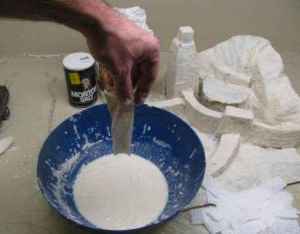
- Make paper mache paste (there are many different options):
- OPTION 1: 3/4 white glue to 1/4 water (or if using a good, thick glue, like elmers you can do 1/2 and 1/2)
- OPTION 2: COOK METHOD: 1 part flour to 5 parts water… boil about 3 minutes and let cool (my favorite! it’s the cheapest method and is nice and smooth)
- OPTION 3: 1 part flour to 1 part water. Stir together.
- NOTE: Humidity really does play a factor! If you live somewhere very humid, add less water (up to 1/4 less). I live in a very dry area.
- NOTE: if you add a couple tablespoons of salt to your paper mache it will not mold.
- Use up to 4 layers, No More.
- Let dry COMPLETELY
Year: 2011

How To Make Someone Feel Old

Tell the Difference Between Gators and Crocs
1 Alligators and crocodiles are both reptiles. The reptile order “crocodylia” encompasses all the known alligators, crocodiles, and caimans, sorted into about 25 different species (including yet a fourth type of chomping creature, the endangered gharial). Alligators and caimans belong to their own family in the Crocodylia order (called, conveniently enough, “alligatoridae”) while crocodiles are in the “crocodylidae” family.
2 It’s all in the snout. As a general rule, alligators have shorter, blunter, heavier heads than crocodiles, which have long, tapered snouts lined with sharp teeth. It’s unlikely that you’ll ever venture close enough to take a look, but a crocodile can also be distinguished by the way its upper and lower teeth stick out past its closed jaws (a closed-mouthed alligator is much less toothy-looking).
3 You’re much more likely to encounter an alligator than a crocodile. In the U.S., the croc is an endangered species, numbering less than 1,000 individuals. By comparison, alligators are thriving, with over 1.5 million of these critters living in the swamps of the southeastern U.S. (By the way, alligators are only found in North America and parts of China; everywhere else, it’s all crocs and caimans).
4 Alligators prefer fresh water. Though you wouldn’t ordinarily describe Okefenokee Swamp as “fresh,” it’s a low-sodium paradise compared to the salty abodes of crocodiles (crocs can tolerate these conditions because they have special glands in their mouths that filter out excess salt). Some alligators can also tolerate a certain amount of salinity, but prefer to stay in fresh water.
5 Crocodiles tend to be bigger (and more aggressive) than alligators. No one would describe a swamp alligator as “gentle,” but it’s a positive sweetheart compared to your typical Nile crocodile, which grows to a larger size and is much more active in pursuing its prey. For comparison’s sake, the biggest American alligators attain a length of about 14 feet, snout to tail, while the largest crocodiles are a whopping 20 feet long.
Jump Start Your Car
Dress Up Your Status
You can use these shortcuts to dress up your facebook status. Have fun!
 Do It And How