Year: 2011

Unstick a Sticky Door

Sticky doors, like squeaky stairs, can really get under your skin. You’re always pushing and pulling a lot harder than you need to, and somehow the door never seems to close quite right. You intend to take care of it one day, but the task keeps getting pushed further down your to-do list in favor of other, more pressing items.

Make today the day you fix that sticky door.

First, take a few minutes to diagnose the problem. The stickiness could stem from one of several issues, each of which calls for a different treatment. To identify the problem, open and close your door slowly, watching it closely, and notice where it sticks. You should recognize one of the following scenarios:

1. The door has no gaps and needs to be slammed shut.
2. The door’s inside edge rubs against the the jamb.
3. The door hangs too close to the floor or the door’s outside edge rubs against the jamb.

1. IF THE DOOR HAS NO GAPS AND NEEDS TO BE SLAMMED SHUT…
It’s likely caused by excessive humidity. Most builders accommodate for seasonal changes by making sure the door panel and casing are lined up exactly right. This makes sure that the door has enough clearance to close properly, even with swelling. Try to fiix the sticking door at the most humid time of year for best results.

Materials
Srewdriver
Hammer
Block plane
Sandpaper
Paint or sealant

Directions
1. Open the door and remove the hinge pin by tapping the bottom of it with a hammer and pulling it out from the top.
2. Unscrew the hinges, starting with the top.
3. Gently remove the door.
4. Using a block plane, shave off just enough wood to give the door clearance; if your door is sticking elsewhere you might need to do the same thing on the other three edges too.
5. Sand the cut for a smooth finish.
6. Protect the wood by sealing or painting the cut edges.
7. Put the door back on its hinges; reinsert pins and tap them down with your hammer.

Photo: jennifur-jinx, flickr

2. IF THE DOOR’S INSIDE EDGE RUBS ALONG THE JAMB…
It’s often due to loose hinges. (The jamb is the vertical portion of the door frame to which the door is attached.) Here is a simple fix:

Materials
Screwdriver

Directions
1. Determine if the problem is at the top, middle or bottom hinge.
2. Using the screwdriver, tighten both the door and frame screws; be careful not to over-tighten them or you’ll strip the screws.
4. If the screws are already stripped, or the holes are too rough, replace them with longer screws.

3. IF THE DOOR HANGS TOO CLOSE TO THE FLOOR OR THE DOOR’S OUTSIDE EDGE RUBS AGAINST THE JAMB

Typically, it’s a result of the house settling, which can cause the strike plate to fall out of alignment. Here’s how to fix that:

Materials
Petroleum jelly
Chisel

Directions
1. Put a small amount of petroleum jelly to the end of the latch.
2. Close the door slowly, noticing where the jelly transfers, as this should tell you if the plate is too high, low or deep.
3. Remove the strike plate and carve out wood from the jamb, compensating for the misalignment.
4. Check it repeatedly so that you don’t remove too much wood by accident

Once you’ve chiseled or tightened your way out of the sticky situation, keep that door working properly with bi-yearly tune-ups. A squeak won’t impact the way a door functions but it sure is annoying, so while you’re tightening those hinges, add a little lubricant.
via


Beer Birds

This has to be one of the easiest recipes around. You simply take a full opened can of beer, stand a chicken on it, and throw it on the barbeque (well – don’t literally throw it – that could be very messy!) The beer can is inserted in the neck area (where you would normally stuff the chicken) and stood upright. While the chicken cooks, the beer heats up and subtly flavors the meat. You end up with a tasty and surprisingly moist chicken. You should also rub a little olive oil over the chicken and salt and pepper it before starting. If you have a favorite “rub” you can add that too. Oh – make sure you drink half of the can first – it should be half full when starting out. I am sure you will have no trouble finding someone to help you with that part of the recipe. Cook the chicken with the BBQ lid on for approximately 1 1/4 hours or until the internal temperature registers 165 degrees F in the breast area and 180 degrees F in the thigh (or the juices run clear if you pierce it with a knife).

Balance Your Checkbook

Time Required: 10 to 30 minutes

Here’s How:

  1. Reconcile Your ChecksDetermine if there are checks that haven’t cleared the bank. Sort your cancelled checks in check number order, or use the listing of your cleared checks in numerical order shown on your statement. In your checkbook register, check off each cancelled check returned to you or each check that appears on the check listing, making sure the amount you recorded is the amount the bank shows.
  2. Reconcile Your DepositsMake sure each deposit shown on your bank statement is recorded in your check register (especially if you have direct deposit, which you can easily forget to record). Also, go through your deposit slips, paycheck stubs, etc., and make sure the bank statement shows all the deposits you made. Check off the deposits in your check register as you did for checks.
  3. Reconcile Your ATM Withdrawals and Debit Card PurchasesGo through the same process with your ATM withdrawals or debit card purchases, checking off each transaction on the bank statement in your check register. If the bank shows transactions that aren’t included in your check register, record them now.
  4. Record Interest Earned and Bank FeesCheck your bank statement for any other fees and record them in your checkbook register. Also record any interest earned in your checkbook register.
  5. List Outstanding ChecksNow go through your checkbook register and in column two of the balancing form list your outstanding checks (the checks that you did not check off in your check register as having cleared the bank), as well as any outstanding debit purchases or ATM withdrawals that have not yet cleared the bank. Total the column of outstanding checks, debits, and ATM withdrawals.
  6. List Outstanding DepositsGo through your checkbook register and in column one of the balancing form list the outstanding deposits (the deposits that you did not check off in your check register as having cleared the bank). Total the column of outstanding deposits.
  7. Record Your Bank’s Ending BalanceOn line one of the bottom section of the Checkbook Balancing Form, enter the ending balance shown on your bank statement.
  8. Enter Outstanding DepositsOn line two of the bottom section of the Checkbook Balancing Form, enter the total outstanding deposits from column one.
  9. Enter Outstanding ChecksOn line three of the bottom section of the Checkbook Balancing Form, enter the total outstanding checks from column two.
  10. Calculate Your BalanceUse a calculator to total lines one through three, as indicated by the plus and minus signs on the form, and enter the new total on line four. This should equal the balance shown in your checkbook register. If it doesn’t, check for math errors in your checkbook register, such as reversed numbers (e.g., $53 instead of $35), subtracting a deposit instead of adding it, adding a check written instead of subtracting it, automatic payments that you forgot to record, etc.

via

Corny Chili Pie

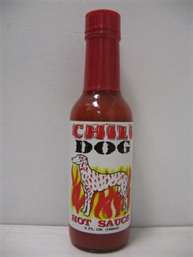
1 (10 oz.) can chili-hot-dog sauce
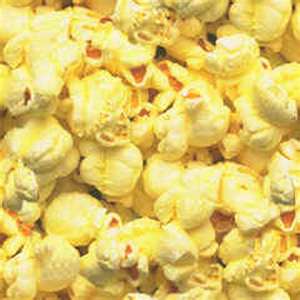
1 qt. popped popcorn
1 (10 oz.) pkg. corn-bread mix
1 qt. popped popcorn
1 egg
1/2 cup milk
1 (8 oz.) can whole kernel corn, drained; reserve 1 tablespoon liquid
Preheat oven to 425 degrees. Butter a 9×13 in baking pan. Mix chili-hot-dog-sauce and 1 quart of popcorn. Spread evenly in buttered baking pan. In a mixing bowl, add and mix thoroughly the corn bread mix, remaining 1 quart of popcorn, egg, milk corn and tablespoon of corn liquid. Place in a layer over chili-popcorn mixture. Bake for 20 minutes or until a cake tester can be clean from the center. Makes 6 servings.

Other equally weird, possibly disgusting recipes HERE