Year: 2011

End of Summer Break Activity Ideas

1. Take a hike. Scout the web for local trails. Wear comfortable shoes, and take your water bottle and GORP.
2. Walk on the Wild side. Hit your local zoo or animal park. Name the animals with a name that starts with the corredponding letter of the animal. Penny Peacock. George Giraffe. Etc.
3. Take in an Outdoor Concert. Check with your local community chamber for planned activities. Dont forget your lawn chairs or blanket, and snacks.
4. Find a farmer. Summer is prime farmers market season. Who doesn’t like food samples, boutique-style merchandise and supporting the local economy? And don’t forget the great people-watching.
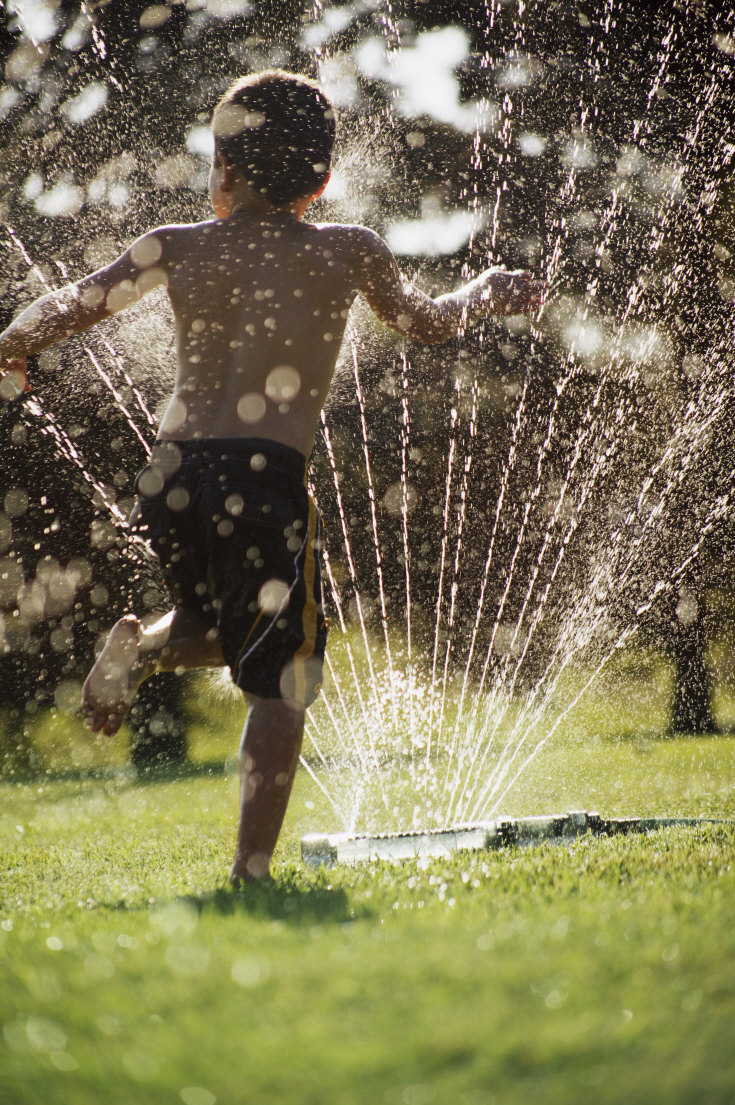
5. Slip ‘N Slide. Cool down in the front yard. Dont forget sun screen.
6. Catch a Movie. Find a local Drive-In, community sponsored outdoor film festival, or the nearest theatre.
7. Smarten up at the Museum. Get the kid’s brains back in gear. Lots of museums have sections geared towards kids and families, with activities and workshops.

ideas via

What are your plans for the last weeks of summer?

Teach Your Children Good Manners

  • 1

    Set a good example. It’s unfair to expect politeness of a child if his parents are not polite themselves.

  • 2

    Teach your child manners in stages, as his comprehension and skills develop. It probably won’t do any good to ask a 2-year-old to stop chewing with his mouth open; he probably lacks the understanding and physical coordination to comply. But by 4 or 5 years of age, your child should have the ability to grasp the reasoning behind such a rule.

  • 3

    Start using words and phrases like ‘please,’ ‘thank you,’ ‘excuse me,’ ‘I’m sorry,’ and ‘may I?’ as early as possible around your child. Encourage your child to do the same.

  • 4

    Take care what language you use around children; they mimic the way adults speak.

  • 5

    Ask your child to address adults with a certain degree of formality – that is, Ms. Lee, Mrs. Doe, Mr. Smith – unless the adult tells them to do otherwise.

  • 6

    Review the other basics of etiquette with your child whenever necessary. He should learn how to shake hands, show respect for older people, behave quietly in public places, and avoid interrupting other people in conversation. He should also learn not to play with other people’s belongings unless given permission to do so.

  • 7

    Avoid ignoring bad behavior or waiting to talk about it. Address a rule as soon as your child breaks it.

  • 8

    Bring up the behavior again in private so you can discuss it more thoroughly and make sure your child understands how to behave in the future.

  • 9

    Praise your child for good behavior.

via

Fingerprint Fun

Use an ink pad, your fingerprints and a marker to create animals, people, trees, houses… even a whole neighborhood on paper.


Clean up with an alcohol prep pad.


Creative and fun!