 Use an over-the-counter pain reliever.It’s an obvious solution and you’ve probably already tried it. But medications like acetaminophen (Tylenol), ibuprofen (Advil, Motrin), or naproxen sodium (Aleve), can help reduce your pain. Always read and follow the label and don’t use them for more than 10 days at a time without talking to your doctor.
- Try a decongestant.These over-the-counter medicines help open the blocked sinus cavities by reducing the swelling in your nasal passages and reduce the amount of mucus. But follow the instructions. Don’t use nasal decongestant sprays for more than three consecutive days, and don’t use oral decongestants for more than seven
- Try other medicines.Antihistamine allergy medicines may help if your sinus problems are related to allergies. In some cases, your doctor may prescribe nasal steroid sprays and other drugs to help reduce your congestion and sinus headache pain.
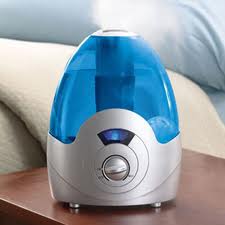
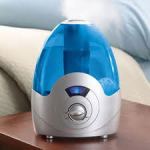 Keep your nasal passages moist.Dry air will further irritate your sinuses. So use a humidifier or vaporizer. Rest a warm wet towel over your face for a few minutes. Try a saline solution nasal spray.
 - Use nasal irrigation (or lavage). Get a bulb syringe or Neti pot and flush out your sinuses with salt water. It moistens and helps clear mucus from the nasal passages, helping to reduce the pressure. If you’ve never tried the approach before, get some pointers from your doctor. It’s important to note that, according to the CDC, if you are irrigating, flushing, or rinsing your sinuses, use distilled, sterile, or previously boiled water to make up the irrigation solution. It’s also important to rinse the irrigation device after each use and leave open to air dry.
- Avoid irritants. Perfume, cigarette smoke, and certain chemicals can worsen your sinus symptoms by irritating the nasal passageways. via WebMD

- Comment
- Reblog
-
Subscribe
Subscribed
Already have a WordPress.com account? Log in now.
 Do It And How
Decongestants are drugs used to relieve nasal congestion, and come in many forms. Decongestants commonly come in pill form, but nasal sprays and liquid syrups are both available as well. Nasal congestion is caused, usually during a cold, when the membranes of the nose become swelled. Decongestants relieve this swelling by constricting the blood vessels in the area. This reduces blood flow to the area, and in turn the swelling. :
Our own website
<http://www.healthmedicinelab.com/herbs-for-anxiety/