Month: February 2012

Valentine’s Pepperoni Pizza
The quick way: Buy a frozen cheese pizza and a pack of pepperonis. Cut the pepperonis into heart shapes with kitchen shears (be careful pepperonis are slippery!) Place on pizza and bake as usual. A quick last minute way to show your love!

Sinus Headache Remedies
 Use an over-the-counter pain reliever.It’s an obvious solution and you’ve probably already tried it. But medications like acetaminophen (Tylenol), ibuprofen (Advil, Motrin), or naproxen sodium (Aleve), can help reduce your pain. Always read and follow the label and don’t use them for more than 10 days at a time without talking to your doctor.
- Try a decongestant.These over-the-counter medicines help open the blocked sinus cavities by reducing the swelling in your nasal passages and reduce the amount of mucus. But follow the instructions. Don’t use nasal decongestant sprays for more than three consecutive days, and don’t use oral decongestants for more than seven
- Try other medicines.Antihistamine allergy medicines may help if your sinus problems are related to allergies. In some cases, your doctor may prescribe nasal steroid sprays and other drugs to help reduce your congestion and sinus headache pain.
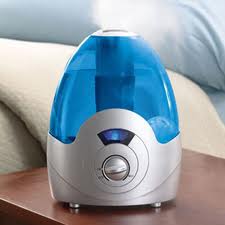
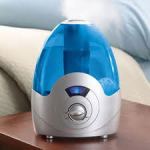 Keep your nasal passages moist.Dry air will further irritate your sinuses. So use a humidifier or vaporizer. Rest a warm wet towel over your face for a few minutes. Try a saline solution nasal spray.
 - Use nasal irrigation (or lavage). Get a bulb syringe or Neti pot and flush out your sinuses with salt water. It moistens and helps clear mucus from the nasal passages, helping to reduce the pressure. If you’ve never tried the approach before, get some pointers from your doctor. It’s important to note that, according to the CDC, if you are irrigating, flushing, or rinsing your sinuses, use distilled, sterile, or previously boiled water to make up the irrigation solution. It’s also important to rinse the irrigation device after each use and leave open to air dry.
- Avoid irritants. Perfume, cigarette smoke, and certain chemicals can worsen your sinus symptoms by irritating the nasal passageways. via WebMD

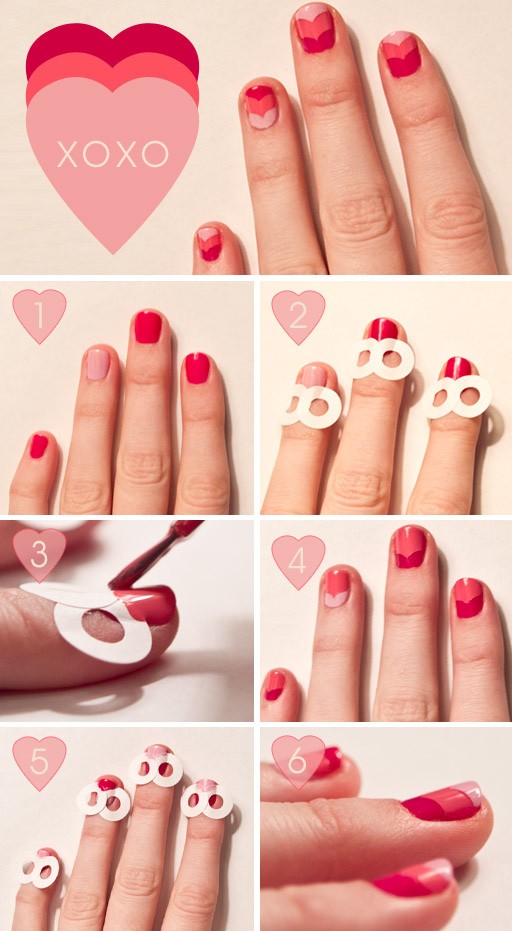
Heart Nails
Popsicle Stick Bracelets

1. Boil sticks for about 15 minutes.
2. Let them cool.
3. Place in empty cup to curl overnight (or dry).
4. Paint or decorate
5. Wear!
Great Idea Via
 Do It And How