-
-
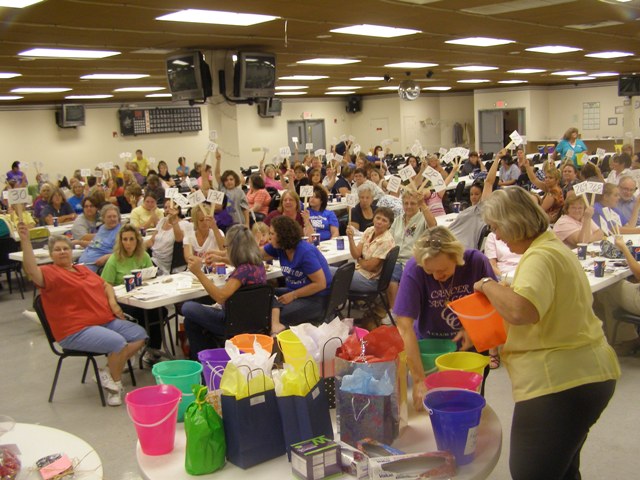
1Visit local stores in your area to ask for donations for your auction (if applicable). The success of an auction depends on the items you’re auctioning off. Visit local mom-and-pop stores as well as large chains. Ask to speak to supervisors or managers and tell them that you’re planning an auction. Also tell them what the money will be going for, as identifying your cause can be a great way to increase donations.
- 2
Visit home-based vendors to get donations (if applicable). Home-based vendors include vendors of products like plastic storage containers. While Quarter Auctions can be used for general fundraising purposes, they can also be used as a type of networking for home-based vendors. If you’re going this route, typically try to get 10 vendors to participate with a donation of 10 products each or more.
- 3
Determine the value of a quarter for your specific auction, based on the value of the products that are being auctioned. For example, one quarter typically equates to a retail value of $10 to $20. If you’re auctioning off an item that costs $10, in order to “bid,” people would have to bid one quarter. A retail value of double that amount would equate to a two-quarter bid. However, you may need to adjust the value of a quarter based on the specific items you receive as donations for the auction.

- 4
Purchase paddles or other devices bidders can use to signify when they’ve entered a bid. If you don’t have access to paddles, you could make your own cardboard signs for people or use some other type of object. It needs to have a unique number on it, and you need one paddle for everyone who you think will be bidding. Estimate high so that you’ll have enough paddles in case more people show up than you were planning. You will also need to either number ping-pong balls or little strips of paper with these same numbers.
-


 Do It And How