From the people at buildipedia:
According to the Environment Agency, harvesting rainwater has the following benefits:
- Reduced demand for available resources.
- Reduced risk of pollution, as less rainwater is discharged to drains and sewers, and ultimately, to rivers. “Environmentally harvesting rainwater significantly contributes to a decrease in pollution of storm water and keeping our waterways clean by slowing down surface runoff,” according to Kim Usry, ARCSA, AP, owner of H2o Collect in Richmond, Virginia.
- Reduced water bills. Approximately 37% of domestic property owners and nearly all industrial and commercial property owners will experience a notable decrease in water cost. “Irrigation is one of our most costly water expenses. Using harvested water for irrigation alone could save a home a lot of money,” Usry explained.
- Reduced risk of flooding and damage. Excessive rainwater is often the cause of flooded sewers, leaky basements, and eroded foundations. Harvesting rainwater helps safeguard homes and commercial properties from the aforementioned expensive issues.
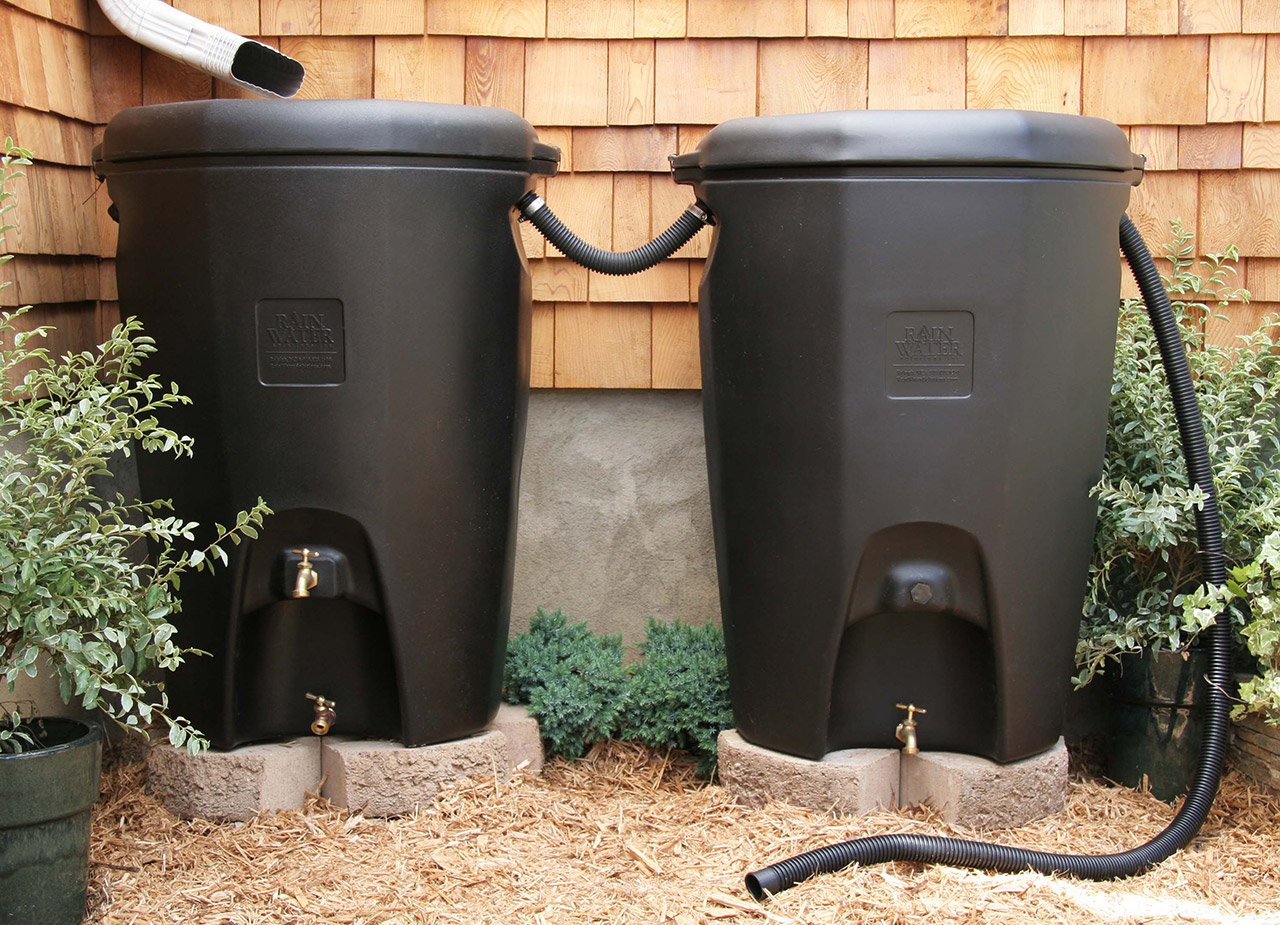
Rainwater does not contain the chemicals that are typically present in municipal water, which makes it ideal for landscaping. Harvesting rainwater also allows property owners to freely use collected water without regulation. “In times of drought and water restriction, harvested water will save your landscape, gardens, ponds, and pools [by] avoiding the more and more common municipal water regulations and fees,” according to Usry.
In addition to exterior use, rainwater is also ideal for interior use as well, because it is low in minerals. Additional uses for harvested rainwater are as follows:
- Hair washing
- Dishwashing
- Car washing
- Laundry
- Toilet flushing
Keep Reading HERE – Check it out!
 Do It And How
Reblogged this on High on Science & Tech – H.O.S.T.
Just make sure to filter it first. Do you want the grit from your asphalt shingles in your drink? Or in any water that you use?