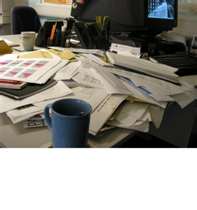
When was the last time that you actually ‘organized’ your desk? Sure, you go through it from time to time and eliminate the clutter, broken items and scrapes of paper, but can you say that you organized it? Probably not, but then, neither have most people that have a desk. With these little tips, you can arrange your work space so that you will find everything at a moments notice, not lose things any more and always have working space on the top of your desk.
 I know, some of these things, really sound kind of crazy to have on the top of a desk, but you will see how we are going to use them later.
1. let us go through the desk and get rid of all of the broken items, paper scraps and junk. Throw it all away!
2. take out all of the things that are in your desk, which you do not use. These are all place wasters, put those on a table or work area for us to deal with later.
3. now go through your desk and sort everything; take it out of your desk and put all ‘like’ things together. Such as; pens and pencils, stapler and staples, paper clips and push pins etc.
4. Decide what storage containers you need to put these things in to keep them organized. For some people, just a small organizer insert placed in the drawer, works well. For other people, having small little plastic containers seems to work the best. There is not a right or wrong way of organizing your workspace; it all depends on how you like to function and what works best for your working habits.
5. Purchase these items and organize things accordingly. Some people also like to use a label maker in order to label small containers instead of having to look inside to find what is in the container. This should not take long, but you don’t want to waste space by purchasing a storage container that is bigger than what you actually need and waste space. The idea is, to be organized and give you more working area on your desk.
The top of your desktop
This area is a working area only. This is not the place to have family photos or unnecessary items.
On the desktop, you can have.
A toothbrush holder- (that seconds as a pen or pencil holder and may be matched to the room color or décor).
A napkin holder- (the wood ones work the best and look the nicest) in order to hold the immediate file that you are working on.
A lid holder-to hold the files for that morning or afternoon, or files that are waiting for information. A lid holder is actually better to use than a file holder is, because it holds the files upright better, has more room and usually is stronger because the inside has metal in it.
A Rolodex- to keep, phone numbers, email addresses and cell phone numbers handy, for fast retrieval.
A calendar- to have, appointments and meetings, easily accessible to you.
Post it notes- to place in your front manila folder that is labeled ‘notes’, these are things that happen during the day that you want to keep track of. Such as; tell secretary, call-?, follow up information that is needed for a particular file and who is in charge of getting it etc.
Magazine organizers- these can also be used on the desktop for files, trade magazines that are used often, newspapers that need to be referred to etc.
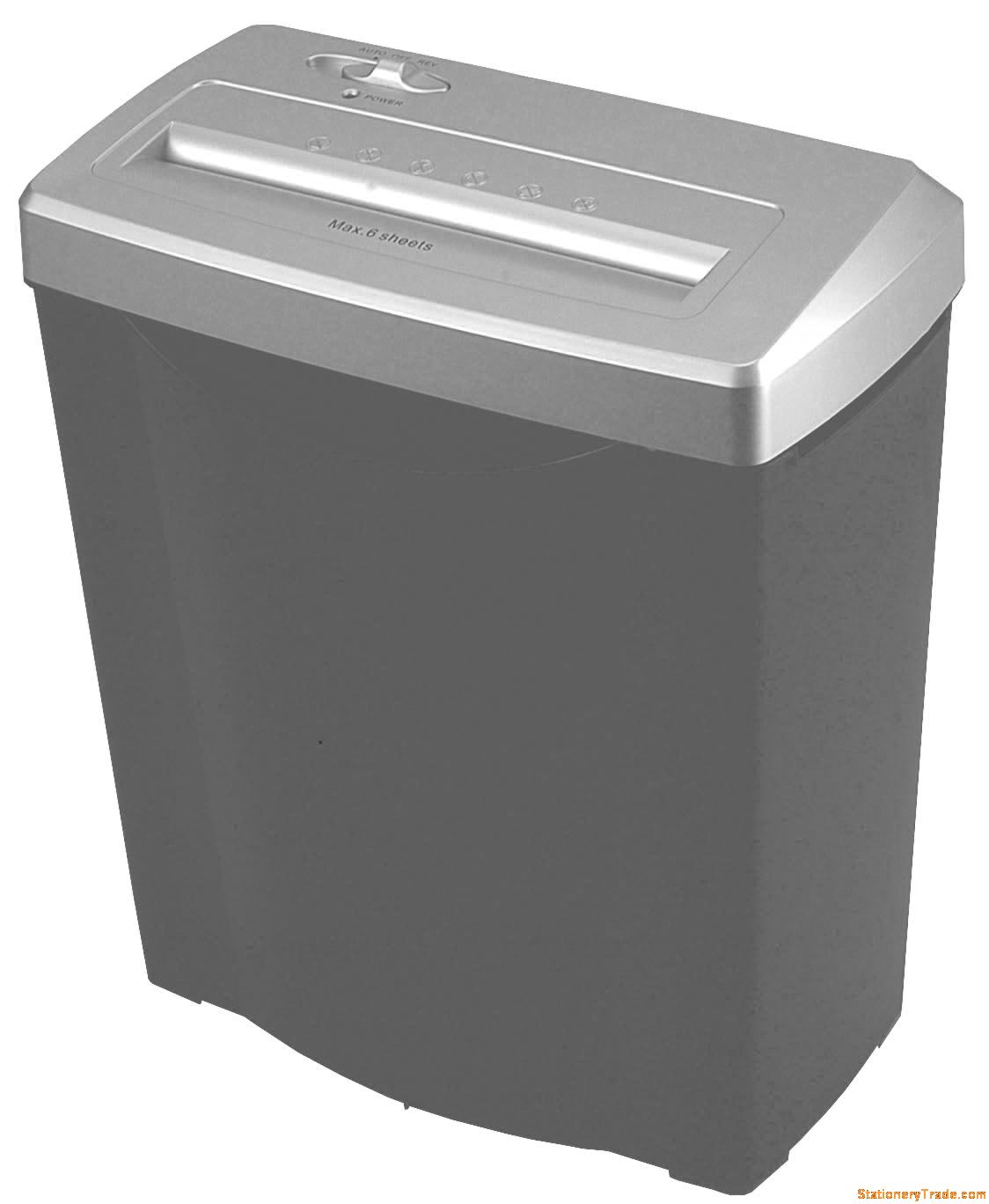 Your paper shredder should remain handy at all times. If possible, keep it under your desk area or possibly to the right of left side of your desk, but out of the way, so that it will not cause a problem opening a desk drawer. As things come in and are taken care of, shred unnecessary papers; eliminate notes that are not needed and junk mail. Get in the habit of eliminating the clutter, before it begins. via