Category: $ave it

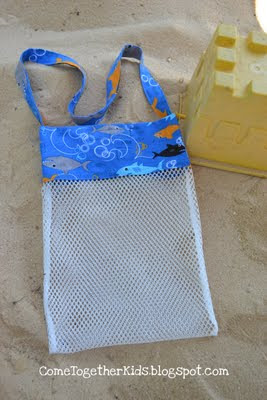
Seashell Collecting Bag

From Come Together Kids : My kids love collecting seashells, but I never liked how gross their shells got by the end of the vacation. Take some wet, sandy shells, leave them in plastic buckets in the hot summer sun for a few days and you’ll end up with a stinky mess that you don’t want to transport home.   I decided I’d try my hand at making my own mesh seashell bags.  I was really pleased with the way they turned out and they worked just as I’d hoped ~ the perfect bag for collecting and no stinky, sandy buckets of wet shells to lug back home.

SUPPLIES:

  • mesh fabric ( I found a utility mesh at JoAnn’s that worked perfectly)
  • cotton fabric (1/2 yard is plenty)
  • sew on velcro
  • about 20″ of 1/4″ ribbon

Click HERE for complete sewing instructions
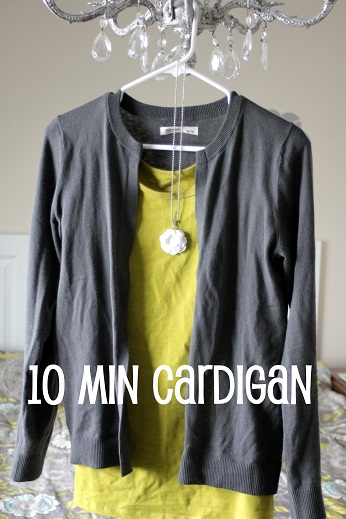
10 Minute Cardigan From Sweater

This tutorial on Pinterest inspired me and I promise you that soon I will have more cardigans than is healthy for a girl.

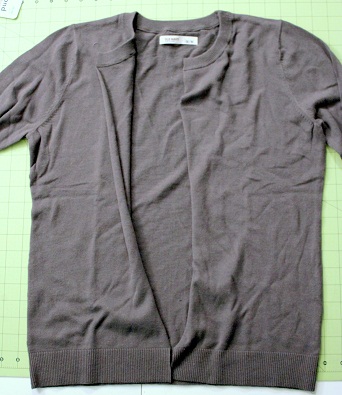
Here’s what you need to transform your tired sweater into a fresh new cardigan:

  • sweater
  • tailor’s chalk or other fabric marking tool
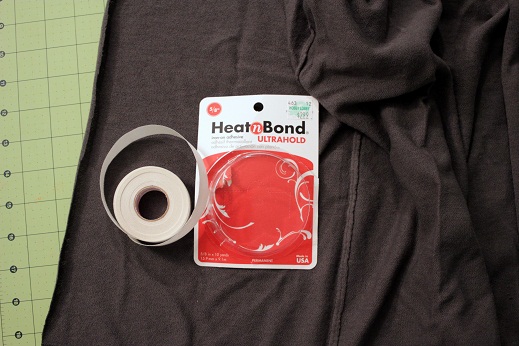
  • Heat’N Bond ultrahold iron-on adhesive (5/8″)
  • iron
  • standard sewing supplies (thread, scissors, machine, etc.)

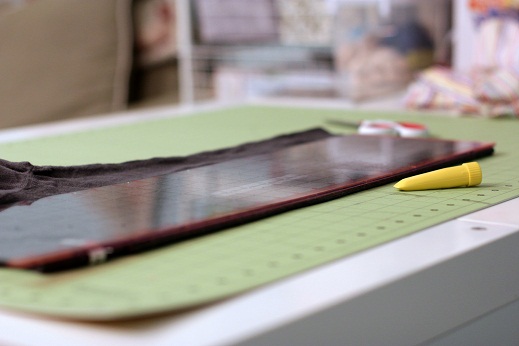
1. Fold your sweater in half through the center front, making sure the collar, sleeves, and hem are all lined up and straight. Lay a rotary ruler on top of the sweater and run the tailor’s chalk along the fold to mark the center. Open it up and make sure it looks centered.

2. Cut all the way up through the front of the sweater only.

3. Open up the sweater and smooth out the cut edges – they will curl a bit.

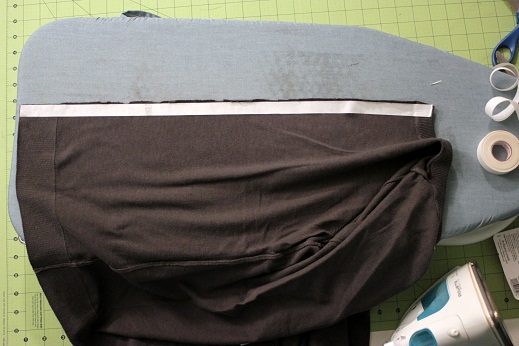
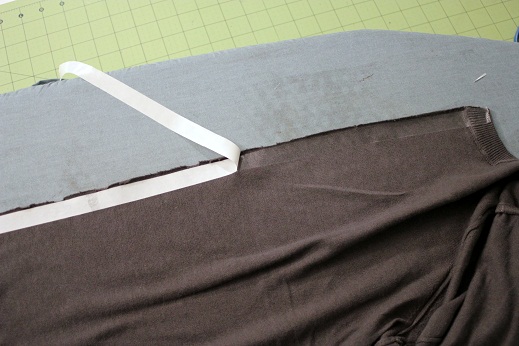
4. Following the HeatnBond instructions, press the iron-on tape right up next to the cut edge on the wrong side of the sweater. Do on both left and right front pieces of the now cardigan.

5. Peel the paper backing off, turn the edge back on itself so it’s wrong sides together with the adhesive in between and press to create the finished center edge.

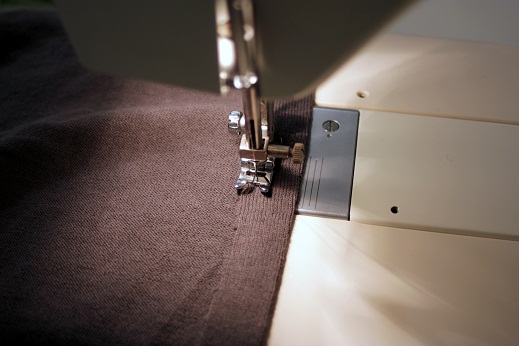
6. Sewing with the unfinished edge on top, stitch the two layers together. (I used the 5/8″ line on my sewing machine.) DON’T STITCH up through the collar part with your machine, tack it down by hand or there will be a very visible and ugly line there.

see the rest at vanillajoy.com

Flower Press Options

  • Simple Book Press

    • Flowers can be left between the pages of a heavy book. While this distributes enough weight and can hold many blooms, it is not the ideal way to preserve flowers. Older flowers can fall out of the pages as you open the book to add new ones. If you do not line the pages with additional paper, the blossoms could stick to the pages, leaving behind stains and even tearing the flowers as you take them out.

      If you choose to press flowers in a book, do so only as a temporary method. Place the flowers between pages and mark those pages with a slip of paper. Do not press down to flatten the blossoms, as this will encourage sticking, but simply close the book over the blooms. Transfer within a few days to a more sturdy press.

    Cardboard Press

    • A simple press can be made using cardboard, lining paper and rubber bands.

      Good material for lining paper includes parchment paper or waxed paper, as the flowers are less likely to stick to the surface of the pages. Plain paper or brown butcher paper can be used, but the blossoms are more likely to stick. Newspaper is not advisable, as the ink could come off and discolor the blooms.

      To form a cardboard press, place the flowers between squares of lining paper and sandwich the lining paper between squares of cardboard. You can repeat this layering as many times as necessary for as many flowers as you need to press. Always place the flowers between the lining paper, to prevent sticking, and the lining paper between cardboard, to add structure and weight. Secure the press with large rubber bands, arranging the bands evenly across the cardboard for even weight distribution.

    •  

    Plywood Press

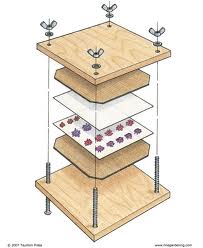
    • A plywood press uses the same structure of layering lining papers and cardboard, but adds an outer plywood shell. The top and bottom squares of plywood need holes drilled into all four corners to place bolts or screws. Wing nuts hold the bolts in place. The finished press looks like a miniature table, with a plywood top and bottom and bolts as legs.

      This plywood press requires more effort than the cardboard press, but its construction produces more even weight distribution and a sturdier press.