Why didn’t I think of this?!
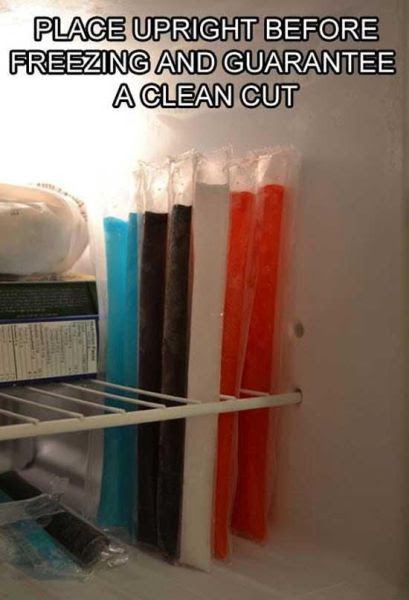
You can do it – Here's how!
Category: Clean It
 From the folks at thriftydiva:
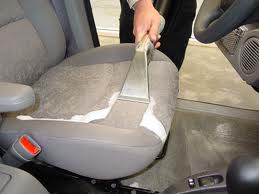
1. Start from the top down wiping your car out. We didn’t do this and had to re-wipe everything down. You want to clean the windows and dashboard first from the top down. You would do the same thing in a house. If you start from the bottom up, when you clean your dashboards all the dust will go back on the floor.
2. Get everything out of your car and trunk. We got everything out. There was nothing left in our car except for the stuff in the glove compartment. This made cleaning so much easier.
3. Shop vac your car. This was my favorite part. Those vacuums at the car wash usually cost around $1.00 for 3 minutes. I hate that pressure to get it done in that time. This is where those awesome shop vacs comes in handy. We paid $39.99 for a large one from Home Depot at Christmas and it is just as powerful as the ones at the car wash. It was so awesome to turn it on and have as much time as I wanted. I was able to get it perfectly clean with no crumbs left.
4. Use a good fabric cleaner. We went to home depot and found a great upholstery and floor cleaner for $4.99. We cleaned the carpets and my toddler soiled seats. It looks brand new now!
From the people at buildipedia:
According to the Environment Agency, harvesting rainwater has the following benefits:
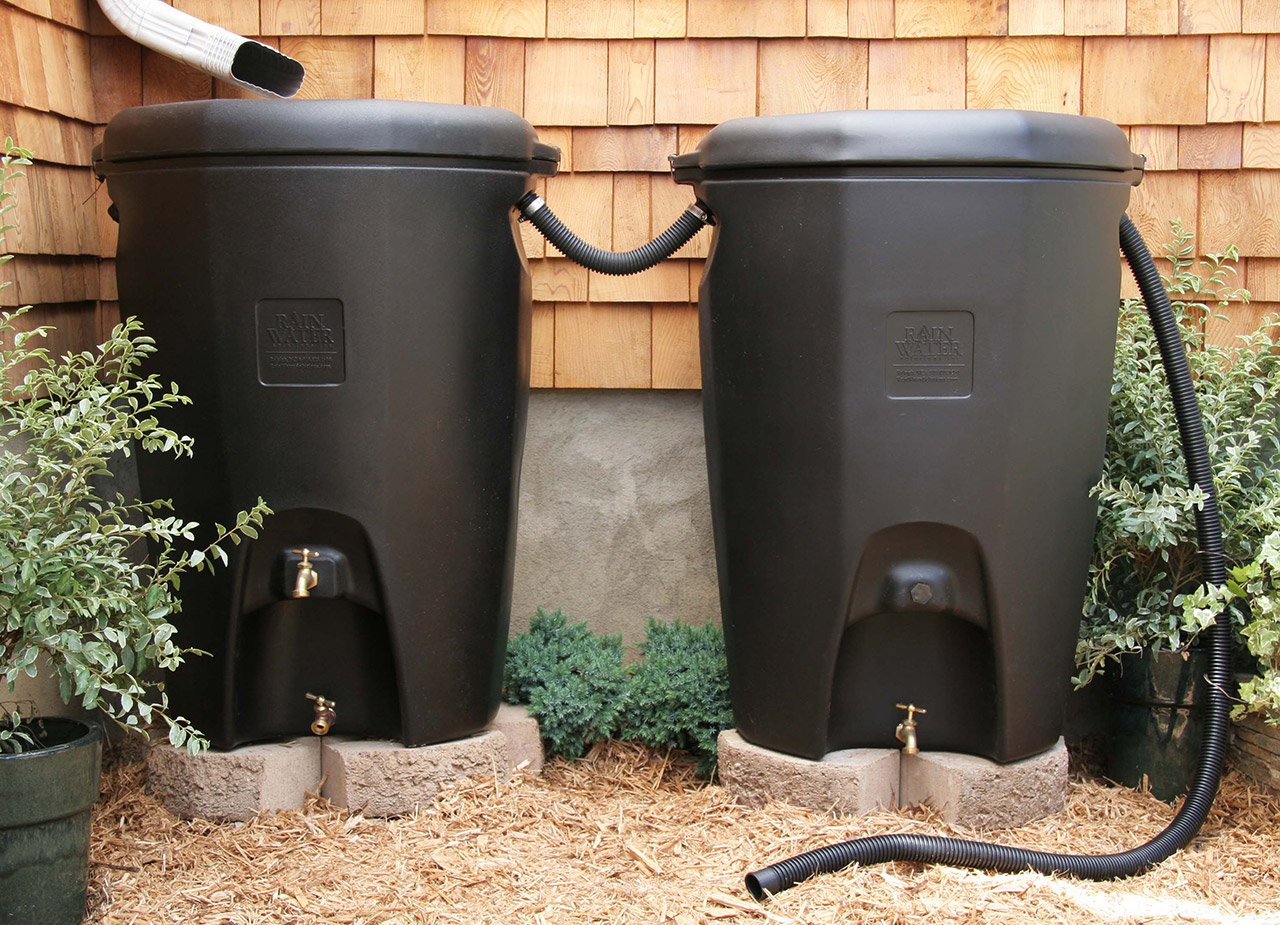
Rainwater does not contain the chemicals that are typically present in municipal water, which makes it ideal for landscaping. Harvesting rainwater also allows property owners to freely use collected water without regulation. “In times of drought and water restriction, harvested water will save your landscape, gardens, ponds, and pools [by] avoiding the more and more common municipal water regulations and fees,” according to Usry.
In addition to exterior use, rainwater is also ideal for interior use as well, because it is low in minerals. Additional uses for harvested rainwater are as follows:
Keep Reading HERE – Check it out!


 Do It And How