
1. Stretch first
Don’t be in a hurry to get outside. Stretch thoroughly using the same sorts of moves that runners, mountain bikers and other athletes use. Stretch your hamstrings, stretch your back, and stretch your shoulders. Then dress in removable layers, grab your shovel and resist the urge to fly at the white stuff just to get the job done. Pace yourself. Start slowly and ramp up to speed.
2. Don’t move snow twice
Before you even take your first scoop, decide where you’re going to dump the snow. Drop the first shovelful farther away from where you are standing, then dump remaining snow closer and closer to where you are. That way, the last scoops that you shovel are moved the shortest distance. Don’t block access to snow that needs to be removed by piling it up in a way that will force you to move it twice.
3. Move snow the shortest distance possible
Consider that everything from a driveway to a patio to a walkway is really a rectangle, and rectangles have a center point. Move the snow from the center of the rectangle to the nearest edge.
4. Clear cars first
Brush snow off cars then clear around the cars.
5. Do the foreground then the background
For example, to clear snow from a rectangle, first shovel a strip clear along the perimeter of the rectangle. Then, moving from the center to the edge, push the snow into the cleared area. Next, lift and throw the snow out of the area.
6. Maintain proper posture:
A. Use your leg muscles as much as possible – push snow when you can and use your legs to lift when you can’t push it.
B. Keep your back straight as you move from the squat position to the upright position.
C. Use your shoulder muscles as much as possible.
D. Hold the snow shovel as close to your upper body as possible.
E. Keep one hand close to the shovel blade for better leverage.
F. Don’t twist your upper body as you throw snow.
7. Keep hydrated
Take bottles of water out with you and keep them accessible, either in the car or on the front stoop or somewhere else convenient.
8. Rest frequently
Clearing an area by hand means that you may lift and carry anywhere from hundreds of pounds to tons of snow.
9. Be thorough but not fussy
The sun is relatively strong this time of year. Clear an area, spread de-icer if necessary and then let the sun do the rest. The fact is, any surface color that you expose in shoveling (gray, green, brown or black) will be far less reflective than a thick blanket of snow, and remaining snow will melt more easily from that darker surface.
10. Don’t overdress
You need to stay warm, but if you overdress you’re going to be soaked in sweat in no time. Dress in loose-fitting layers that you can peel off as you heat up.
11. Whenever possible, team up
Shoveling with a friend or neighbor is inherently more enjoyable than shoveling on your own. Plus, it’s quicker to get the job done with two or three sets of hands.
12. Go easy on the de-icer
Once the area is clear, all you need is a thin scattering of de-icer to keep it that way. If you’re scattering by hand, throw the salt, pellets or granules low along the ground so they bounce and roll into a uniform layer.
13. Whenever possible, get a head start
It’s easier to remove snow in thin layers than wait until all the snow is down to have at it. If it looks like your area is going to get dumped on, try to get out there and shovel it in several passes.
14. Maintain your equipment
The front edge of a snow shovel takes a beating. If it’s metal, hammer it straight when it gets bent; if it’s plastic use a utility knife to carve off the burr that forms on its end. Tighten a loose handle by driving a large hex head sheet metal screw through the blade socket and into the handle.
15. Stretch when you’re done
Stretch gently when you’re done and use an ice pack and ibuprofen to take care of inflamed muscles. Rest and remain hydrated.
How to Use a Snow Thrower
In case all that stretching sounds like too much work, here are some tips for using a snow-throwing machine.
1. Test run the machine before the storm.
2. Keep necessary spare parts on hand: drive belts, spark plugs and shear pins.
3. Keep a wire brush, a scrap piece of wood and spray de-icer handy. You may well need any number of tools to keep the machine’s auger and other moving parts cleared of ice and compacted snow. Never clear a clogged auger with the engine running.
4. Don’t forget the newspaper that’s been thrown into the driveway or onto the sidewalk. A frozen newspaper can clog a snow thrower like nobody’s business. If you spot the paper or circular’s outline under the snow when you come home (let’s say) just remember to go out there and pick it up.
5. Keep a can of spray lubricant handy. Moving parts that worked fine in the garage can suddenly get cranky when exposed to cold, wet conditions.
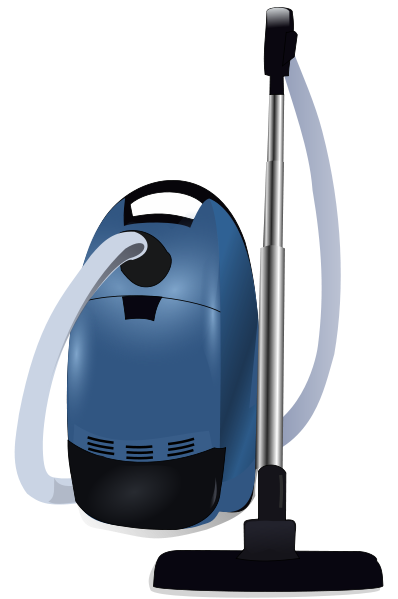 Plug in your vacuum cleaner near the tight areas you need to clean. Adjust your vacuum as needed so that you can use the hose attachment, and equip the hose extension wand if one comes with your particular vacuum cleaner.



 Do It And How