Setting up the shot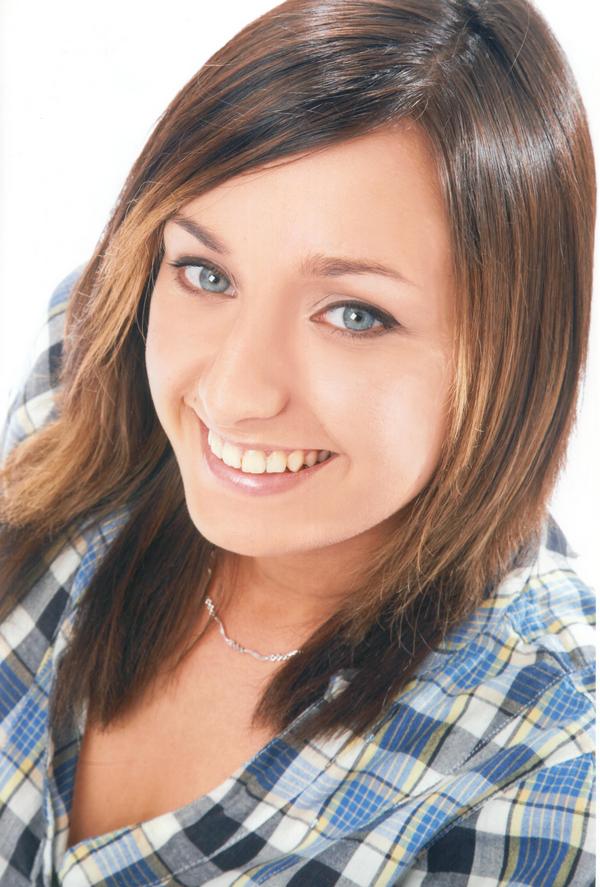
You: and only you. No pets. No children. No trees. No vehicles. No significant others. No drinking buddies.
Clothes: No nude profiles, please. Aim for “job interview” or “lunch date”. Keep accessories to a minimum, and stick to solid color tops.
Eye contact: look right into the camera, seeming to look right in the eyes of the viewer. Again, look at the camera, especially the webcam, not the monitor.
Contrast: there should be about an equal balance of dark areas and light areas. Take note of what you’re wearing, along with your hair color, when choosing what will be in the back drop.
Positive: Smile. Even just a little bit. Or go all-teeth-out if you want. And try to be genuine. Unless you are searching for a job as a freelance murderer.
Taking the shot and editing
Self-timer: If you don’t know what this is, go get your camera manual right now and look it up. Use a tripod– borrow one, set your camera on a shelf or a cardboard box, or get a friend to press the shutter release. Set the timer, and stand back. No more taking photos at arm’s length– ever.
Pro photographer tip: Extend the zoom (manual, not digital) when taking a portrait shot: zoom in as much as possible with the lens and then take the shot from as far as you have to. Mass-market cameras are by default wide-angles. Wide angles are not the most flattering for headshots because they distort facial proportions, i.e. features closest to the lens (nose!) will appear disproportionately larger. So manually zoom in as much as your camera will let you, and then step back and take the shot. — Kristina V.
Direction: At the very least, face the camera head-on. Better yet, show a three-quarter view (that means, your face from one ear to the nose, plus half way to your other ear). If you go with three-quarter view, or any other angle, make sure you flip the photo if necessary so that you are facing what you want people to read next.
 Do It And How