Category: Health

Be a Better Swimmer

There are many things that swimmers can do to swim better. This to do list of 10 swim tips could help any swimmer improve their swimming. Get this to do list done and swim on!
Do swim frequently

If you don’t average about three swims a week you will lose your feel for the water and your technique will begin to deteriorate. No feel, no technique, no speed. If the option is between one or two long workouts or three or four shorter workouts, swimmers seem to do better when they swim more frequently as opposed to only doing a few longer workouts each week.

Maintain the best possible technique at all speeds during a workout. If you try to go fast with bad technique, you are wasting energy. If you can teach yourself to go fast while using good technique, you will make bigger gains.

Do drills as part of every swimming workout

Early in your workout, in the middle of your workout, or at the end of your workout (or any combination of the three!) do some specific technique work to reinforce good swimming skills. There are many drills you can do to stay tuned up, or to help you develop better technique.

Do challenging workouts

One or two times a week (depending upon how frequently you swim) do part of your workout with oomph – push the effort, go hard, whatever you want to call it. If all of your workouts are focused on technique, your technique will improve. But what will happen when you try to go faster? You will get tired, your technique will deteriorate, and you might as well call it a day. If you are doing some hard or challenging workouts – mixed in with technique work – as different workouts or as part of the same workout – you will learn how to hold good technique while going faster.

Do easy workouts

Depending upon your swimming goals, there may be no reason to do more than one or two tough workout sets a week, as long as you do one or two easier workouts, too. Work hard on the hard things, and easy on the easy things, and each kind of work will give better results.

Do streamlines

It might be a start, a push-off, or a turn, but you should always do things the same way – streamline, then into the transition between the streamline and swimming. But first, always a streamline.

Do leave the wall the same way every time

Always push off the walls the way you would if you were coming out of a turn. When you starting a set, you should push off the wall exactly the same way that you would be pushing off the wall if you were coming out of a turn. Most races have more turns than starts, and getting some extra practice with any part of a turn is a bonus.

Do wear a swimsuit made for competitive swimming

This doesn’t mean spend $300 on the latest and greatest high-tech slicker than skin piece of swim wear. It means don’t wear baggy beach shorts if you are trying to improve your technique or go learn how to hold technique when going faster. There are times to wear a swimsuit that gives you some extra drag, but not before you have mastered good technique.

Better yet, get someone to video you. Getting some eyes to watch what you do (or using your own via a video review) while you are moving through the pool can yield some great feedback on your swimming technique that you may have not realized.

Do use flippers occasionally

Among other benefits, swim fins or flippers can help you achieve (artificially) a better body position and you will learn what that position feels like while moving. Then, when the flippers are off, you can try to recreate that position by feel, since you will already have a better idea what it will feel like when you get there.
 

Find Out How Long You Can Expect To Live

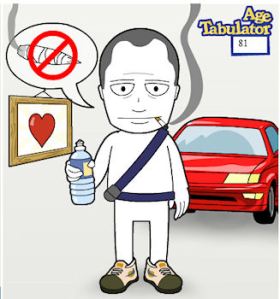
How long can you expect to live? The Longevity Game gives you a peek into your future by identifying the factors that can lead to a healthier, more productive life. Through the game, you get some insight into your daily lifestyle – plus tips on how you can make some positive changes.

While no one can actually predict life expectancy, and The Longevity Game can’t take existing medical conditions into account, the factors you’ll encounter do have a significant impact on longevity. Some of the factors tracked in the game are: weight/body mass index, drinking, smoking, how you handle stress, and driving record.

via

Treat a Bee Sting in 1, 2, 3

1. Get the stinger out quickly!

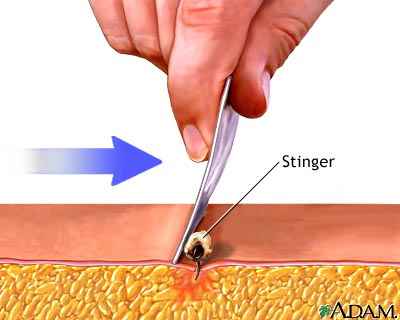
First you must find the stinger, look for a raised red welt on the skin of the victim. Now look very carefully for a small black dot in the center of the welt, it will look rather like a very tiny splinter. If the victim has been stung more than once, continue checking all of the welts until you find the stinger, or stingers.

After you have quickly located the stinger, pull it out as quickly as possible use either tweezers, or a stiff, flat object, such as a credit card, and pull or scrape out the stinger. This is imperative to get the stinger to quit pumping venom into your system.


2. Check for allergies!

 If you are just a by-stander here, be sure to ask the stinging victim if they have allergic reactions to bee stings. If so, find out if they have a bee sting or anaphylaxis kit. Generally people that are allergic to bee stings carry one of these kits fairly close by. If a kit is available, follow the instructions which will be displayed on the kit. If no kit is available, immediately call an ambulance. It is better to call an ambulance instead of trying to get the victim to the hospital yourself, unless of course you are within minutes of a hospital. The paramedics on the ambulance will be able to give medication to the victim immediately.


3. Treat the sting!

You will first want to wash the area gently with soap and water, if available. If you are not near soap and water, see if someone has a first aid kit. If so you can use an alcohol swab to sterilize the sting area. You now will want to add cold compresses to the area to reduce the swelling. There are also some home remedies that will help take the “sting” out of the sting. Such as, making a paste of baking soda and water, then apply this to the welt. I have heard of people using toothpaste, meat tenderizers and raw onion slices on the sting.

via

Homemade Stick Deodorant

1. Put 1/4 cup each of baking soda and cornstarch** in a bowl with 10+ drops tea tree oil. (I like 20 drops, but I’m a tea tree oil nut. I hear lavender oil will work as well.)


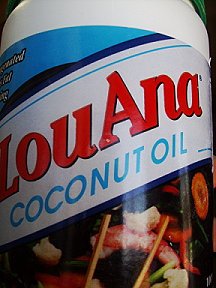
2. This deodorant can be used as a powder, but if you want a stick, go to the shortening section of the store and buy this solid-at-room-temperature-awesome stuff:


3. Stir 2+ TBSP in until it’s the consistency you like.


4. Smash into empty deodorant container. (Will be a bit sturdier once it sets a day or so.)


When applying this deodorant, use a lighter hand than you would with normal stick deodorant, especially the first couple of days or it’ll drop little balls on your bathroom rug.

Used correctly, this stuff is invisible and lasts for ages, as it works with a very light layer. You should not be able to SEE it once applied.

**If you have especially sensitive skin, increase the amount of cornstarch to 6T and decrease the baking soda to 2T.

Stop Sneezing

  • Using your thumb and forefinger, pinch your upper lip lightly and press it upward toward your nostrils. Your thumb should head toward one nostril and your forefinger toward the other, bunching up your upper lip slightly.
  • Find a small table anywhere in your home, hover your face about 1 inch from the top of the table and stick your tongue out and just wait for the sneeze to subside. It takes about 5 to 7 seconds. It seems silly, but it really works.
  • Press the top of your upper lip with a finger.
  • Spread the thumb of one hand away from the fingers. Using the sharp edges of the nails on the thumb and index finger of your other hand, pinch the flap of skin between the spread thumb and the fingers.
  • Think very intensely about the spot right between your eyebrows. Keep imagining that something is touching it until the sneezing feeling subsides.
  • It is often possible to stop a sneeze late in the build up by sucking the tip of your finger. This works right up until the point when you actually initiate the sneeze.
  • If you see someone about to sneeze or if they state that they feel a sneeze coming on, say “Pineapple.” The absurdity and timing of the word sometimes forces the brain to “forget” about the sneeze.
  • Try using your finger to push up on the bottom of your nose as soon as you feel the tingling. 
  • Using all of your concentration, visualize a grapefruit. Imagine having one in front of you and observing the color, texture, shape, and any irregularities. Think about what happens when you cut it, and the color and amount of juice inside. This should distract your brain from the imminent sneeze. 
  • Clench your teeth together, but try to stick out your tongue (use the muscle to push against the backs of your front teeth).
  • Push fingernail between teeth at gum line, bottom-row teeth are most effective. Repeat as necessary.
  • Tap on your forehead between your eyes when you feel a sneeze coming on.
  • For this one you will need a friend. Have him/her stand directly behind you, and then try and imagine yourself eating a very spicy taco. While you are doing this, have your friend flick your ear as hard as they can several times. This will overload the neural sensation preceeding the sneeze.
  • Try placing an ice cube in your mouth and pressing it with you tongue against the roof of your mouth. It seems to stop repeated uncontrolled sneezing.
  • Chewing a sugar free slightly menthol or spearmint gum helps to stop sneezing fits.
  • Let all your breath out. The sneeze will either go away entirely, or it’ll come out weak.

more sneeze stoppers here