Category: Photography

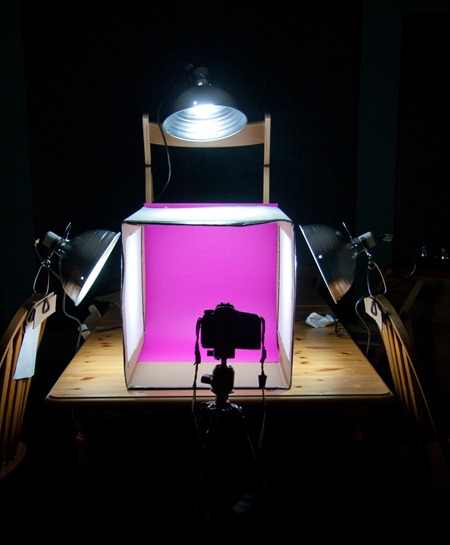
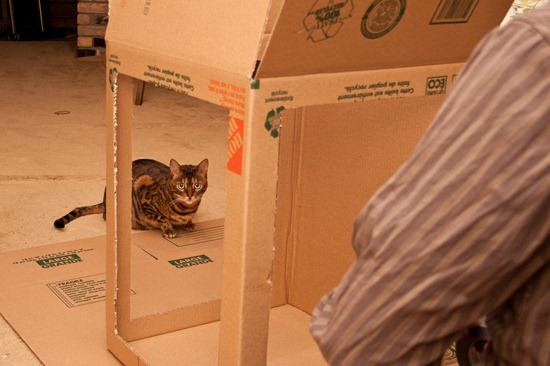
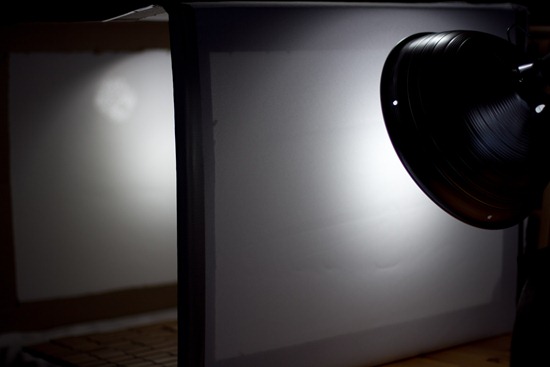
Make a Light Box

SUPPLIES:

  • A large cardboard box (medium might work too if you need it smaller!)
  • Duct Tape
  • White tissue paper or white fabric (we used a tablecloth cut up)
  • X-Acto knife (I laughed SO hard when I found out how to spell this word!!)
  • 3 Daylight bulbs — 100 watt
  • 3 utility lamps w/ clamp bottoms (we used 10 inch)
  • Fabric or paper for backdrop
  • 3-outlet extension cord

Follow the Step-bystep Instructions Here

Video Scavenger Hunt

Here’s a great idea for a party. Host a neighborhood scavenger hunt where all the things to collect are things that the teams have to do. Choose one person on the team to record the ‘finds’ on camera.

For example:

  • All team members slide down a slide at a playground.
  • Push another teammate in a shopping cart across lot end to end.
  • Make up and perform a rap song about your team.
  • Order a Big Mac at any drive-thru other than a McDonalds.
  • Make up and perform a cheer about your team.
  • Clean up litter from the side of a predetermined length of roadway.
  • Each member hula hoops for 10 seconds or more.
  • Etc..

When the predetermined time is up, every one gathers back at the party location and watches the videos, while judges keep track of itmes performed. The team with the most successful items performed wins!


Painting with Light

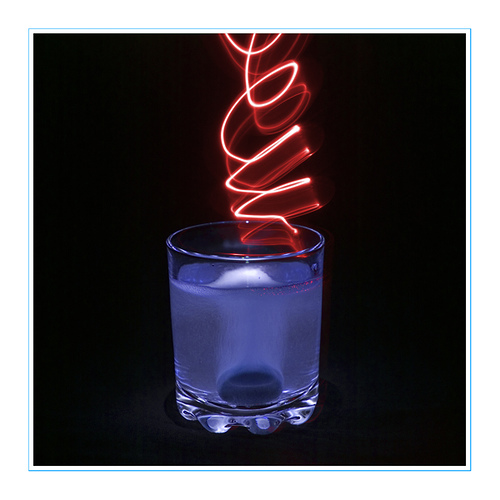
Painting with light is a fun technique that gives great results. It is called painting with light because this is what you are actually doing while taking the shot – painting with light.

You don’t need much to experiment with this kind of shot, just make sure you have the following items:

1. A camera capable of long exposures – film cameras will work OK, but if you really want to get the most out of the shooting session, use a digital camera. You will be able to see the results in “real time” and make corrections as you go.

2. A nice tripod. Since you will be doing some long exposures you want to make sure your camera sits still.

3. A flash light – and by flash light I do not mean flash as in a speedlight, but the flash light or what our British will call a torch.

4. A dark location. This one is tricky. If you are going to shot at home – a dark room will be OK. If you are going to shoot outside – make sure that you are not doing this under a street light, or where a car can come by and “paint its headlight” all over your shot.

Here is how it’s done:

Set your camera on the tripod and take a sample shot with flash / lights on. This will help you verify that your composition is OK.

Set the exposure to a relatively long value. Stop down the aperture as much as you need. If you are outside do nothing. If you are inside – this is the time to turn off the lights.

Make the click. Once the shutter is open use your flashlight to light the stuff that you want to “paint”. You can use the flashlight as a brash, and “smear” the light, just like you would have done with brush and paper. Or, you can use the light as a pen, and do precise work. Areas where you go slowly will be more lit then others. Be careful not to linger to much over the same stop – you will burn it. (The machos amongst you will correctly identify this as the “I forgot the iron on the shirt” phenomena).

Once the shutter closes, you are a free person again. Inspect your image and make corrections. via

Get a Great Profile Pic

Setting up the shot

You: and only you. No pets. No children. No trees. No vehicles. No significant others. No drinking buddies.

Clothes: No nude profiles, please. Aim for “job interview” or “lunch date”. Keep accessories to a minimum, and stick to solid color tops.

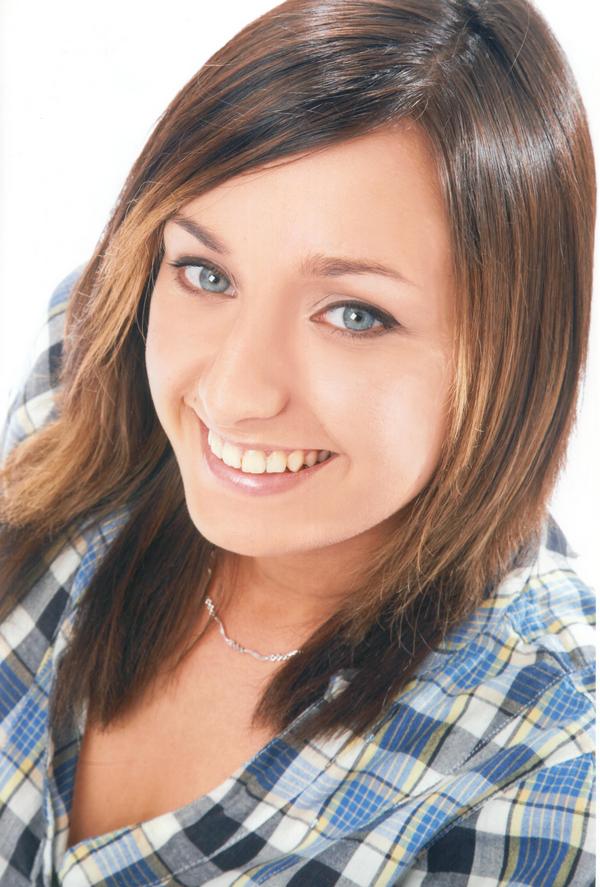
Eye contact:  look right into the camera, seeming to look right in the eyes of the viewer. Again, look at the camera, especially the webcam, not the monitor.

Contrast: there should be about an equal balance of dark areas and light areas. Take note of what you’re wearing, along with your hair color, when choosing what will be in the back drop.

Positive: Smile. Even just a little bit. Or go all-teeth-out if you want. And try to be genuine. Unless you are searching for a job as a freelance murderer.

Taking the shot and editing

Self-timer: If you don’t know what this is, go get your camera manual right now and look it up. Use a tripod– borrow one, set your camera on a shelf or a cardboard box, or get a friend to press the shutter release. Set the timer, and stand back. No more taking photos at arm’s length– ever.

Pro photographer tip: Extend the zoom (manual, not digital) when taking a portrait shot: zoom in as much as possible with the lens and then take the shot from as far as you have to. Mass-market cameras are by default wide-angles. Wide angles are not the most flattering for headshots because they distort facial proportions, i.e. features closest to the lens (nose!) will appear disproportionately larger. So manually zoom in as much as your camera will let you, and then step back and take the shot. — Kristina V.

Direction: At the very least, face the camera head-on. Better yet, show a three-quarter view (that means, your face from one ear to the nose, plus half way to your other ear). If you go with three-quarter view, or any other angle, make sure you flip the photo if necessary so that you are facing what you want people to read next. 

via